Research in Ecosystem Ecology & Stream Biogeochemistry
We seek to understand the influence of humans and climate change on stream ecosystems.

We are an ecosystem ecology and stream biogeochemistry lab that explores stream ecosystem function and nutrient transformations in both
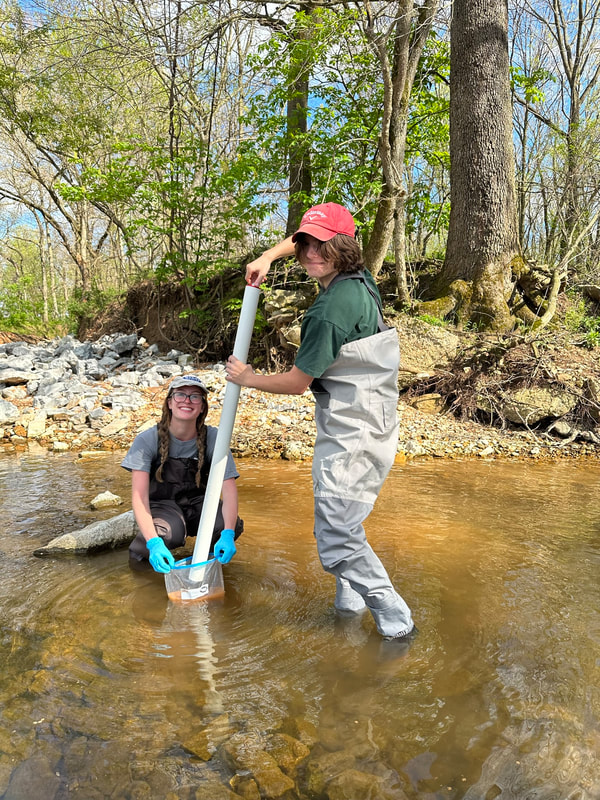
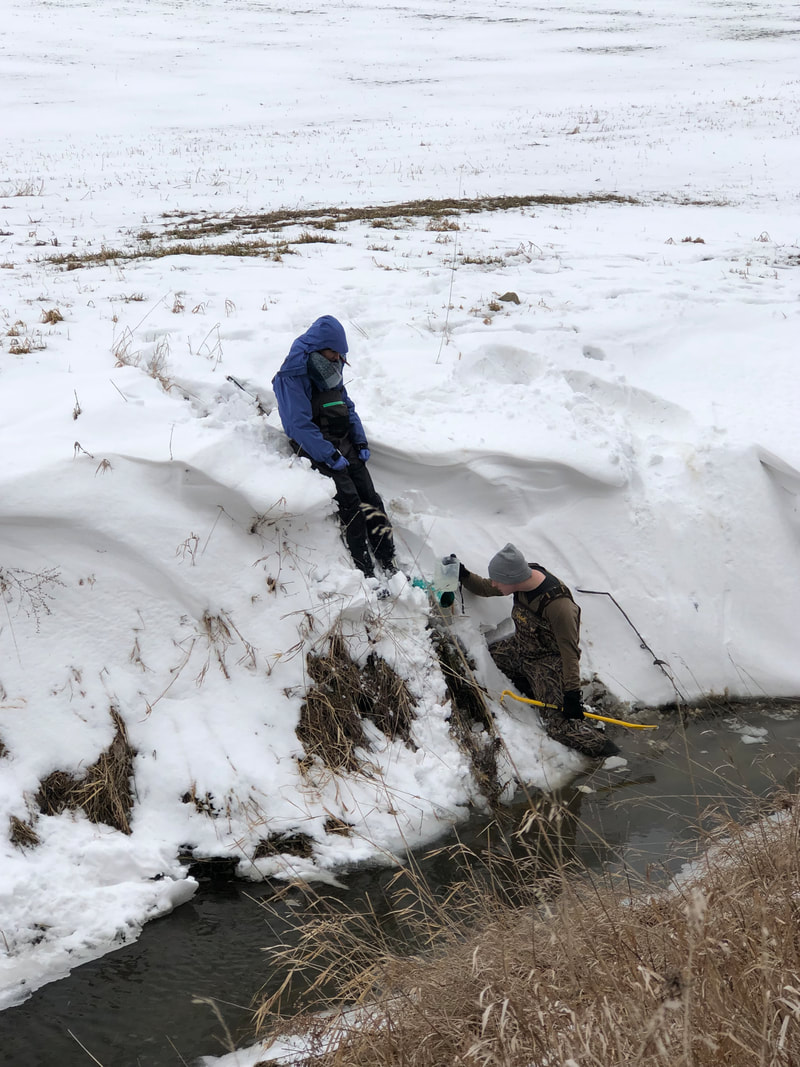
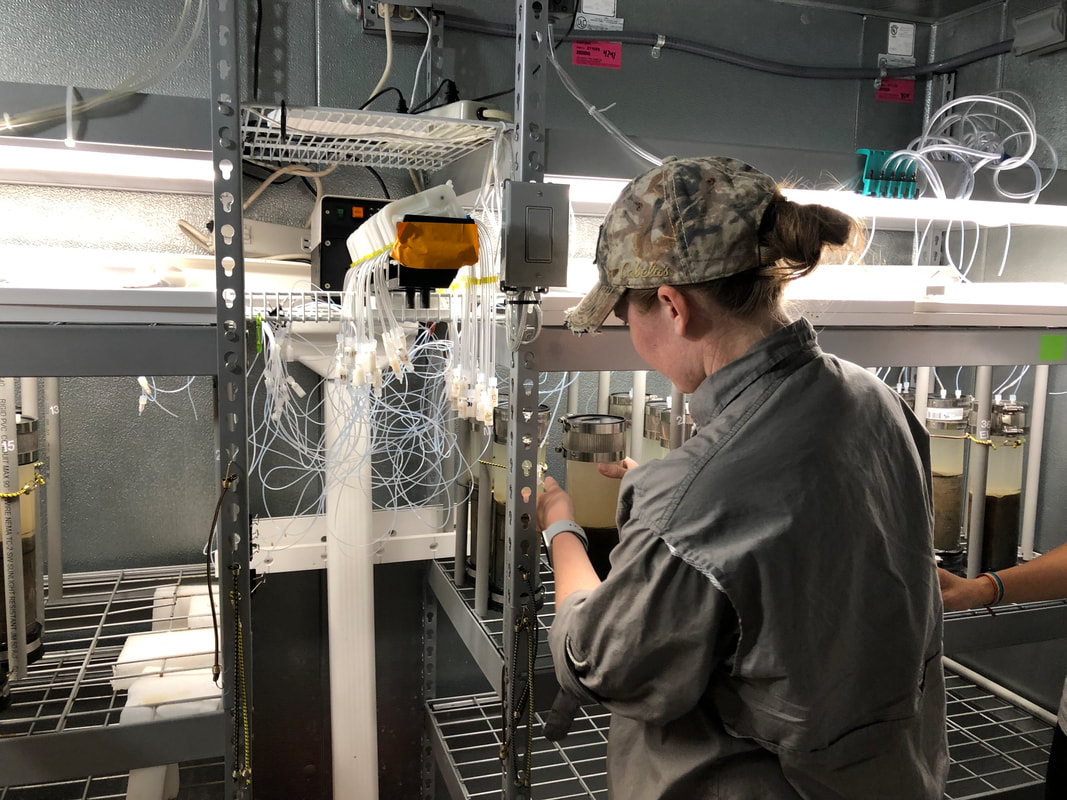
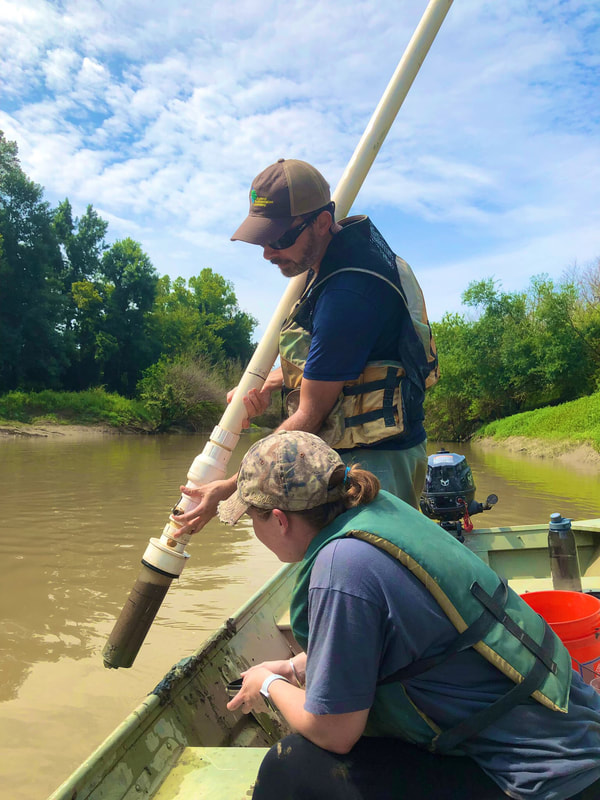
human- and climate-impacted freshwater systems. Our research combines both field and laboratory studies, as well as the use of high-frequency sensing, to determine the mechanisms driving biogeochemical transformations and nutrient transport. Our research is grounded in translational ecology, in which our findings have real world impacts on conservation & restoration efforts and policy.
human- and climate-impacted freshwater systems. Our research combines both field and laboratory studies, as well as the use of high-frequency sensing, to determine the mechanisms driving biogeochemical transformations and nutrient transport. Our research is grounded in translational ecology, in which our findings have real world impacts on conservation & restoration efforts and policy.
Study Systems
|
Agricultural Streams
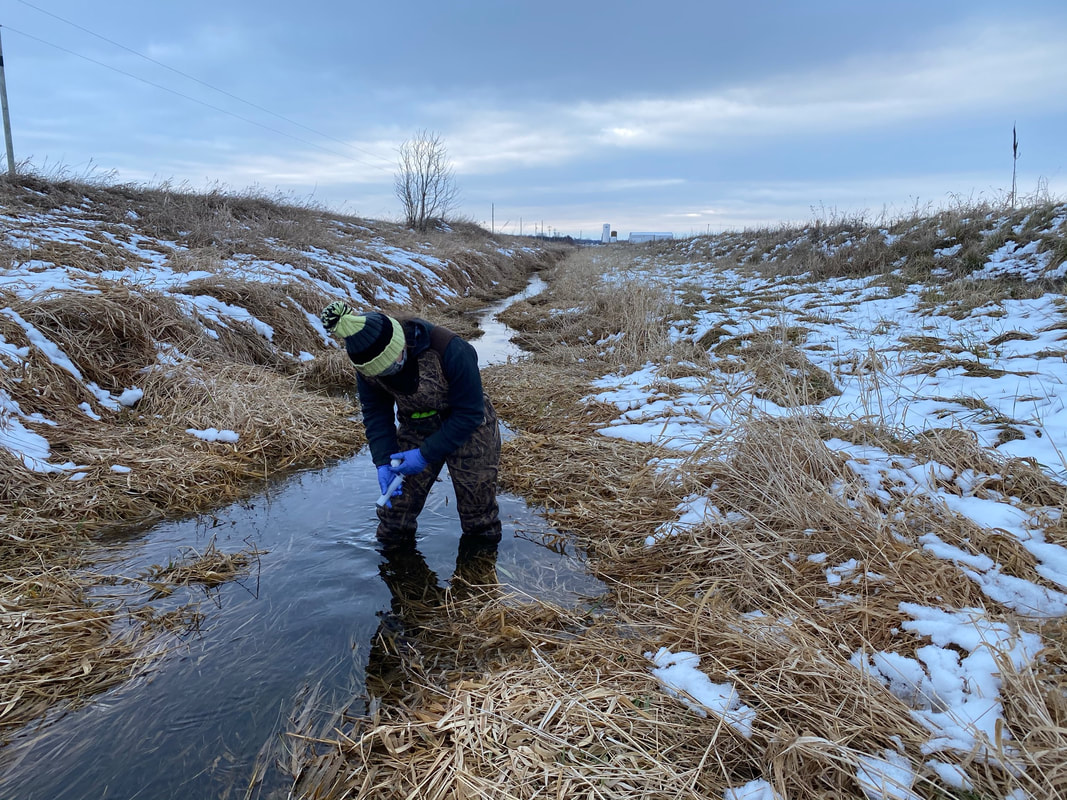
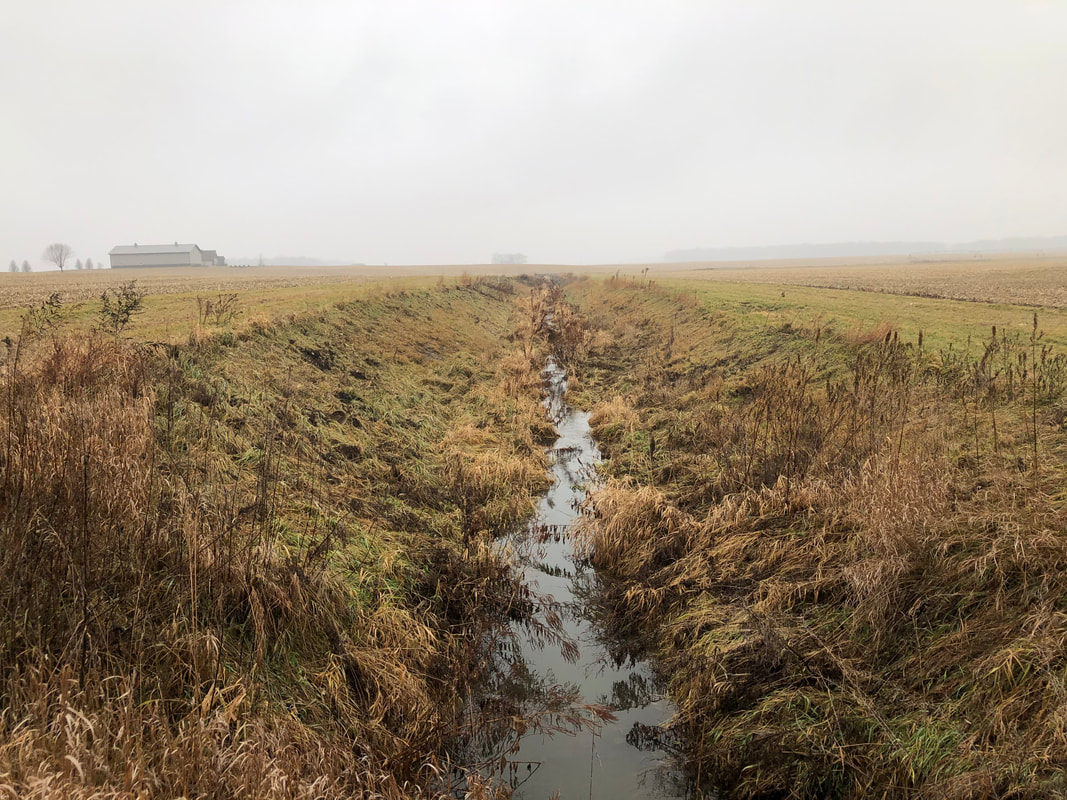
We study agricultural systems from the Midwest to the Mississippi Delta Regions to determine the effects of agriculture on water quality. We also document the effects of restoration and conservation on nutrient retention and stream ecosystem function in agricultural streams. |
Intermittent Streams
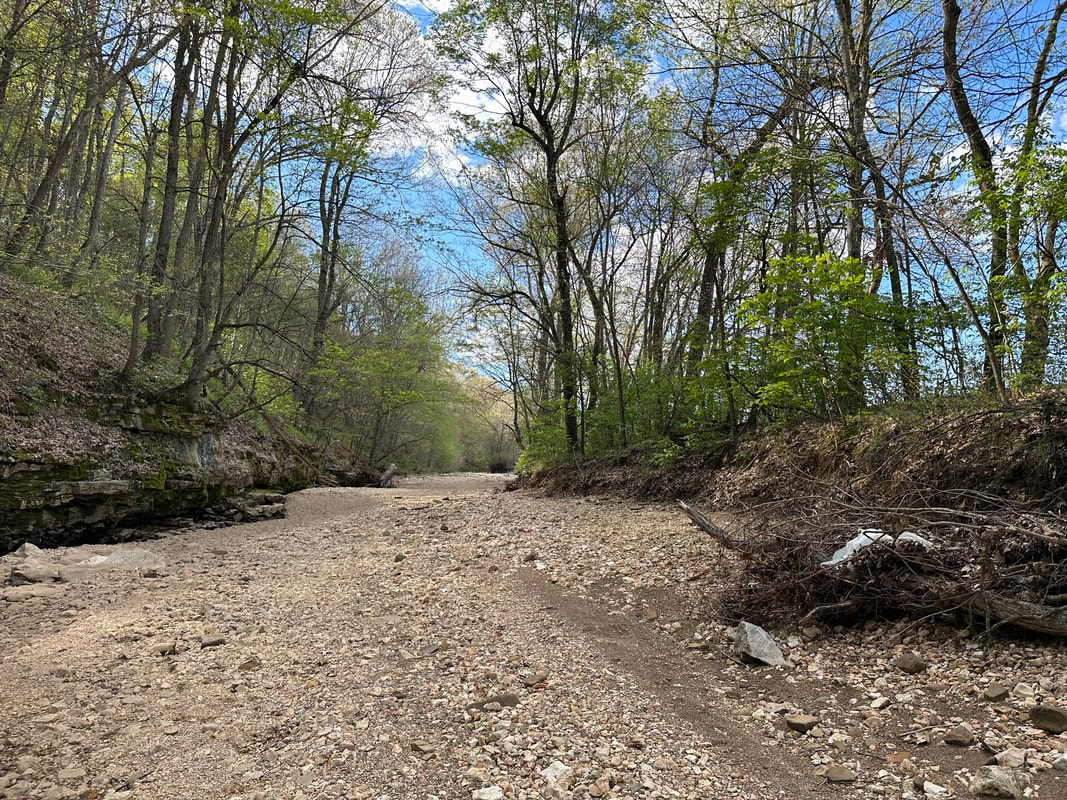
We study intermittent streams across the USA to determine the effects on intermittent streams on downstream water quality, particularly focusing on sediments and nutrients. These systems are highly understudied, though they make up over half of the global stream miles. |
Arctic Streams
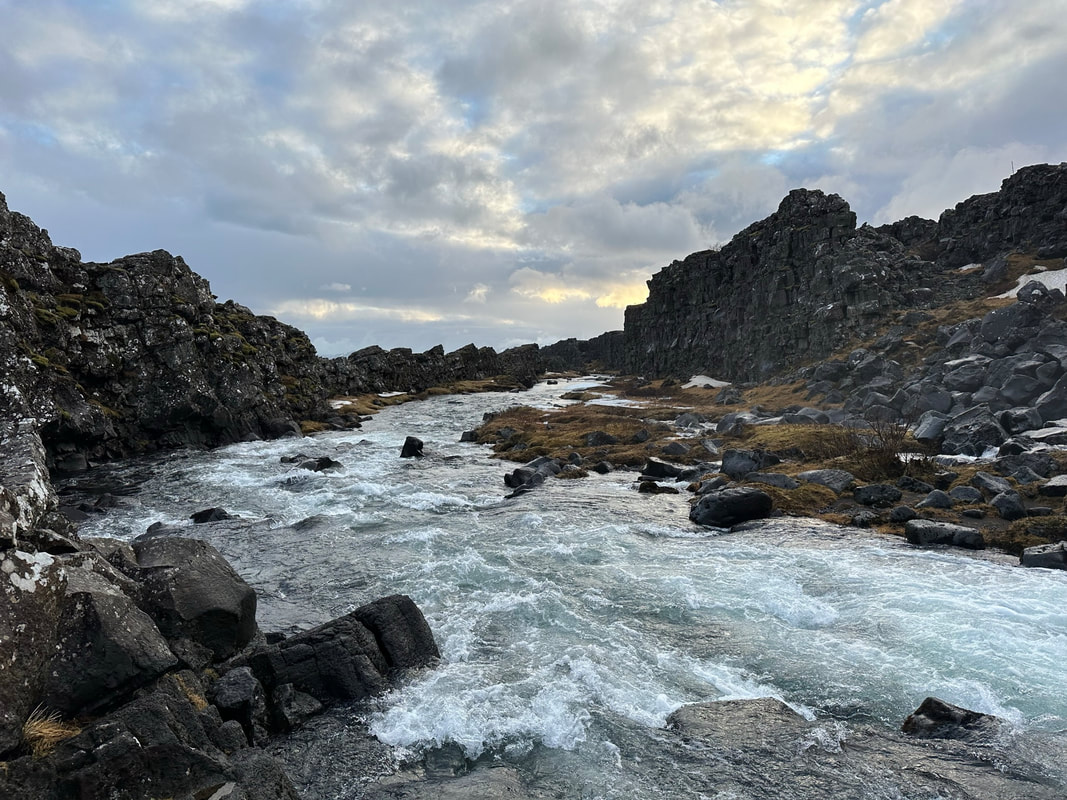
We study Arctic streams in Northeast Greenland to determine how basin-scale changes in permafrost thaw and Arctic "greening" alter long-term nutrient and sediment export to the fjord. Greenland makes up 27% of the land mass in the Arctic, yet little is known about its streams. |
Urban Streams
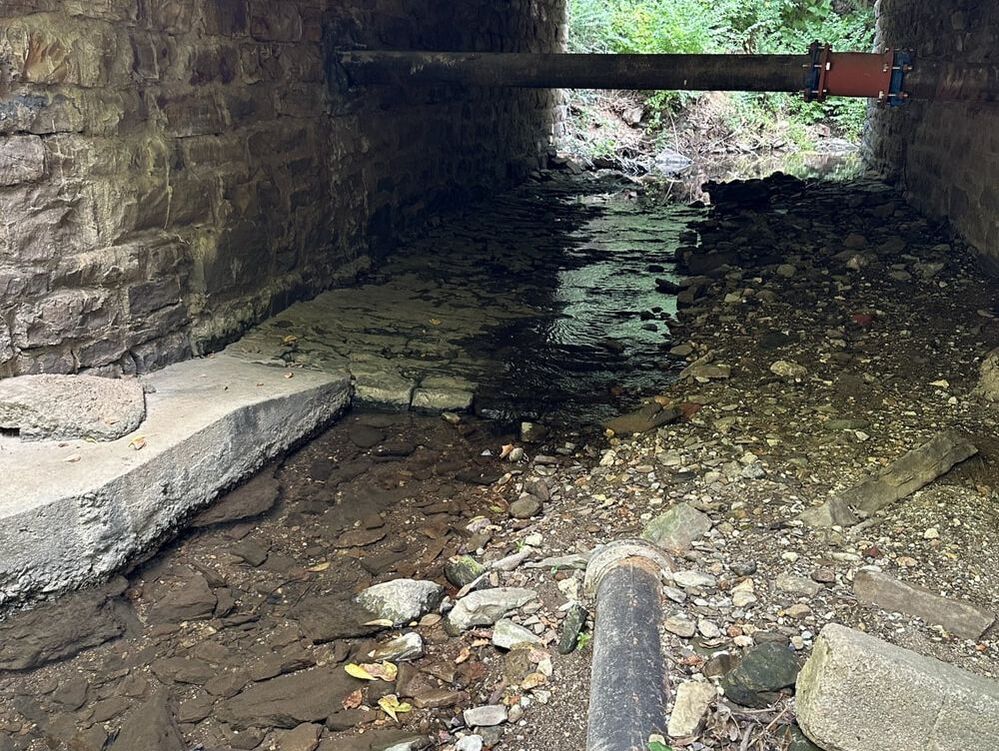
We study urban streams in Northwest Arkansas to determine the influence of rapid urbanization on water quality. NWA is one of the fastest growing regions in the country, with 30 people moving to the region each day, making it an ideal place to study urban water quality. |

|
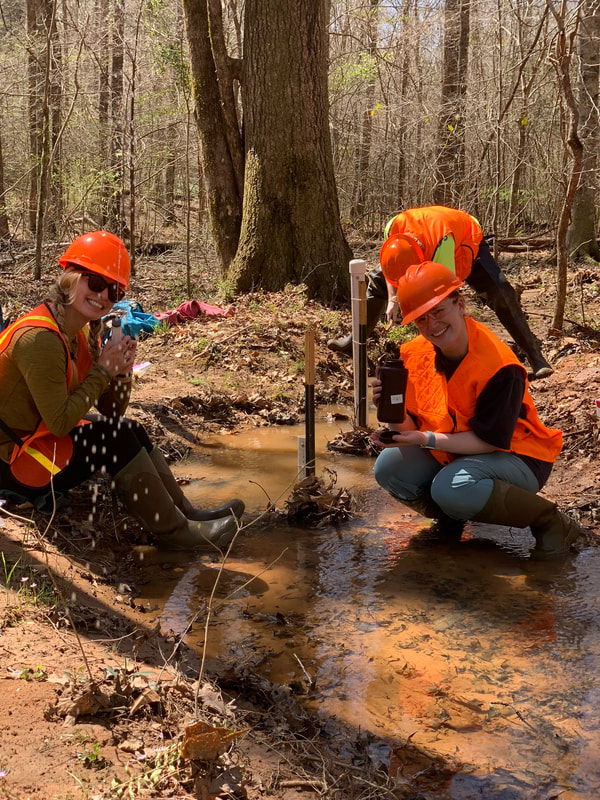
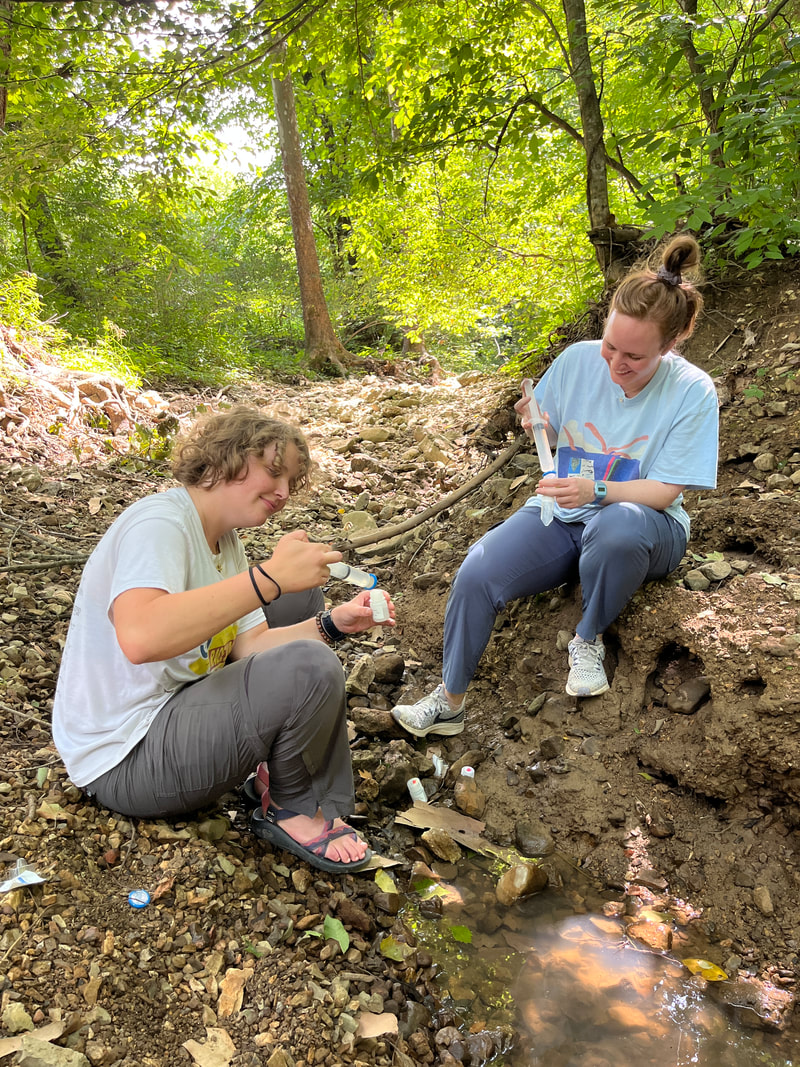
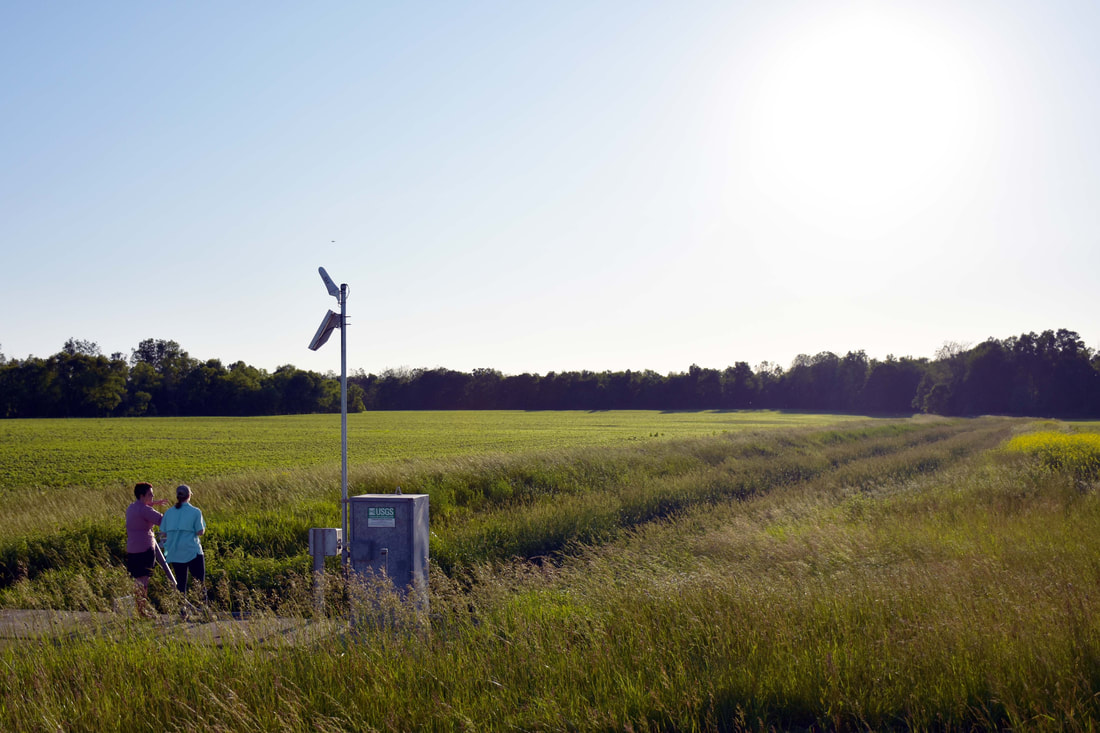
Our ToolkitIn the Speir Lab, we use many different approaches & tools to explore nutrient transport and transformation.
Some examples are listed below:
|
Current Projects
The Arkansas Discovery Watershed Project
Many conservation studies are conducted at the field-scale; however, watershed-scale studies are essential to understand the efficacy of conservation at larger spatial scales. We are conducting biweekly synoptic sampling in Brush Creek, a subwatershed of the Beaver Lake Reservoir in Northwest Arkansas, to better understand the relationship between nutrient and sediment loss, livestock production, and conservation practices. The data collected here will be used as the foundation for the Arkansas Discovery Watershed Program, which will serve to expand the current Arkansas Discovery Farm Program. The outcomes of this project will provide data-rich support regarding the potential benefits of conservation implementation and the role of conservation in building sustainable cropping systems that preserve water quality.
Many conservation studies are conducted at the field-scale; however, watershed-scale studies are essential to understand the efficacy of conservation at larger spatial scales. We are conducting biweekly synoptic sampling in Brush Creek, a subwatershed of the Beaver Lake Reservoir in Northwest Arkansas, to better understand the relationship between nutrient and sediment loss, livestock production, and conservation practices. The data collected here will be used as the foundation for the Arkansas Discovery Watershed Program, which will serve to expand the current Arkansas Discovery Farm Program. The outcomes of this project will provide data-rich support regarding the potential benefits of conservation implementation and the role of conservation in building sustainable cropping systems that preserve water quality.
|
QuEST: Quantifying Ecosystem transport across Space and Time
Understanding the controls on the transport of water, energy, and nutrients from terrestrial landscapes to headwater streams remains a fundamental challenge in ecosystem and catchment science. There remain key knowledge and data gaps regarding how the dynamic hydrologic expansion and contraction of headwater networks influences downstream systems, blurring our ability to use catchment-scale signals fully as indicators of upstream impacts. This knowledge is essential to improve ecohydrological understanding and prediction of how, where, and when network expansion and contraction impact carbon, nutrient, and material export in response to systemic land use and climate change, and will be vital to inform earth system science models that predict catchment responses to changing flow regimes. The Speir Lab's role on this Department of Energy-funded project primarily focuses on (1) conducting synoptic campaigns of catchment-wide stream chemistry to evaluate how small headwater tributaries impose variability observed at coarser spatial scales and (2) deploying high-frequency water quality sensors nested across catchments to capture how stream network expansion and contraction dynamics change carbon, nutrient, and material exports across climatic conditions. |

|
Fayetteville Urban Stream Sampling (FUSS)
Much of the work done on urbans streams focuses on a single stream and/or predominantly on nutrient concentrations. However, it is important to understand how loads to downstream areas change both spatially and temporally because loads, rather than concentrations determine the impact of nutrients downstream. Furthermore, most urban studies do not look at the specific drivers of urban nutrient loads. Instead, they examine how urban environments as a whole function when compared to rural or forested ecosystems. As such, we are currently assessing spatial and temporal variability in the controls on nutrient loads in urban streams in Fayetteville, Arkansas. Our study will examine water quality at a high spatial and temporal resolution using biweekly sampling at 20 stream sites throughout the city. This will provide information on the specific drivers of elevated nutrient loads in urban systems and provide more information about temporal variability in these spatial drivers. Our aim is to inform best-management practices for reducing nutrient export from urban watersheds.
Much of the work done on urbans streams focuses on a single stream and/or predominantly on nutrient concentrations. However, it is important to understand how loads to downstream areas change both spatially and temporally because loads, rather than concentrations determine the impact of nutrients downstream. Furthermore, most urban studies do not look at the specific drivers of urban nutrient loads. Instead, they examine how urban environments as a whole function when compared to rural or forested ecosystems. As such, we are currently assessing spatial and temporal variability in the controls on nutrient loads in urban streams in Fayetteville, Arkansas. Our study will examine water quality at a high spatial and temporal resolution using biweekly sampling at 20 stream sites throughout the city. This will provide information on the specific drivers of elevated nutrient loads in urban systems and provide more information about temporal variability in these spatial drivers. Our aim is to inform best-management practices for reducing nutrient export from urban watersheds.